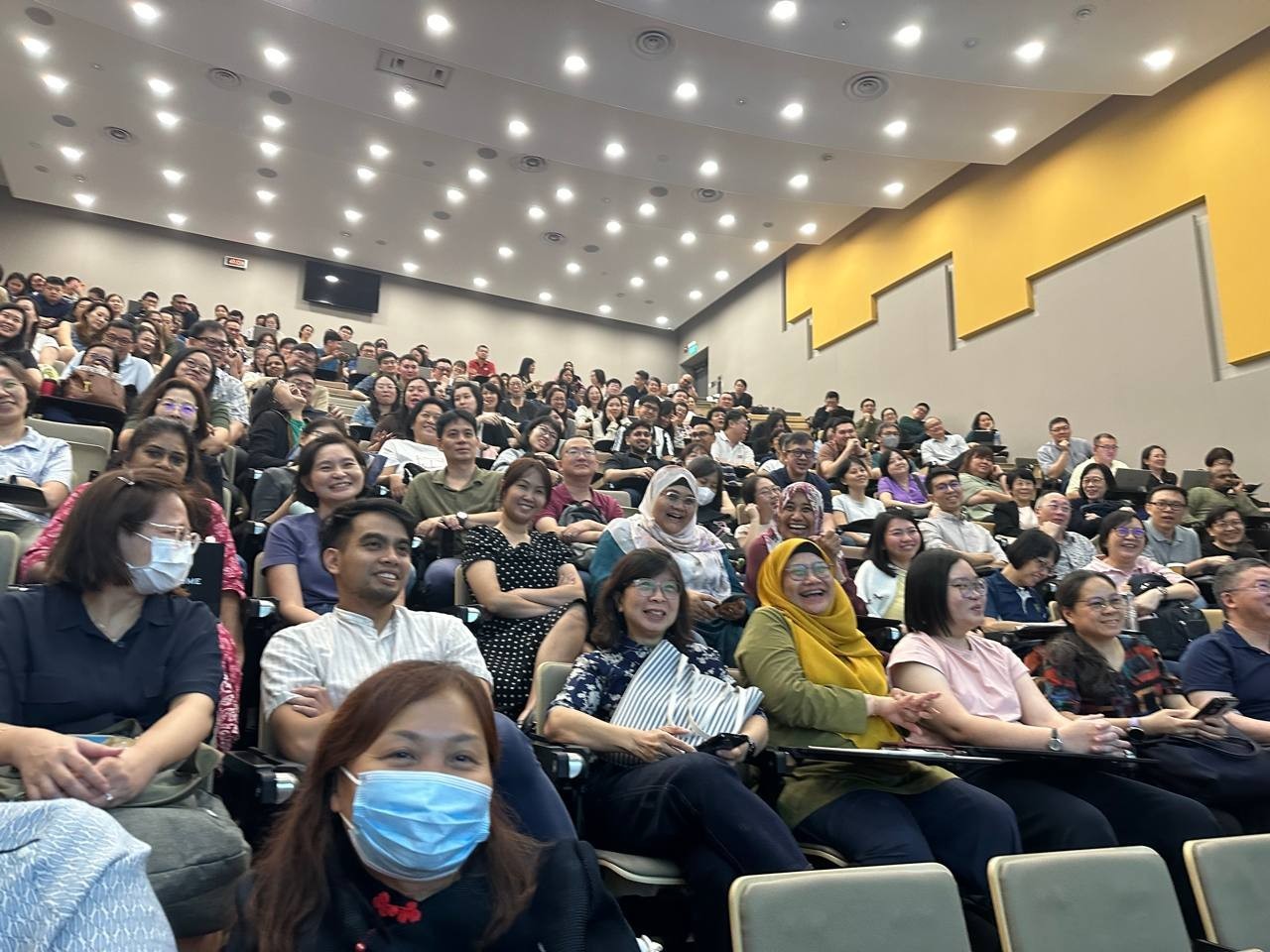
On 7 January 2026, AICET successfully hosted its fifth and largest Learning Journey for Educators: Pedagogy First—Teaching With, Not By, AI. The event drew an unprecedented crowd of over 240 educators and stakeholders, all gathered to explore the delicate balance between technological innovation and fundamental teaching principles.
The event was a masterclass in knowledge synthesis. Seven distinguished speakers took the stage to share the “blood, sweat, and tears” behind their initiatives, turning individual experiences into collective wisdom. By sharing these hard-earned insights from the frontlines of classrooms and research labs, the event served as a powerful catalyst for amplifying the community’s collective expertise.
Putting Purpose Before Platforms
The first session focused on ground-up innovation, where speakers demonstrated how AI serves as a powerful “sidekick” rather than a replacement for the educator.
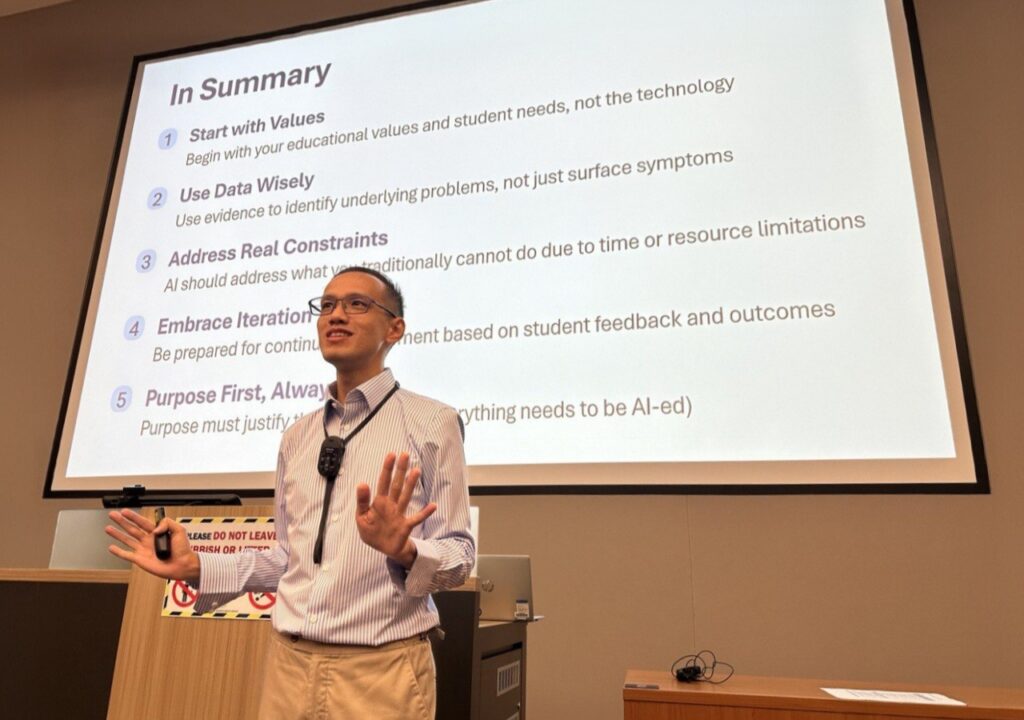
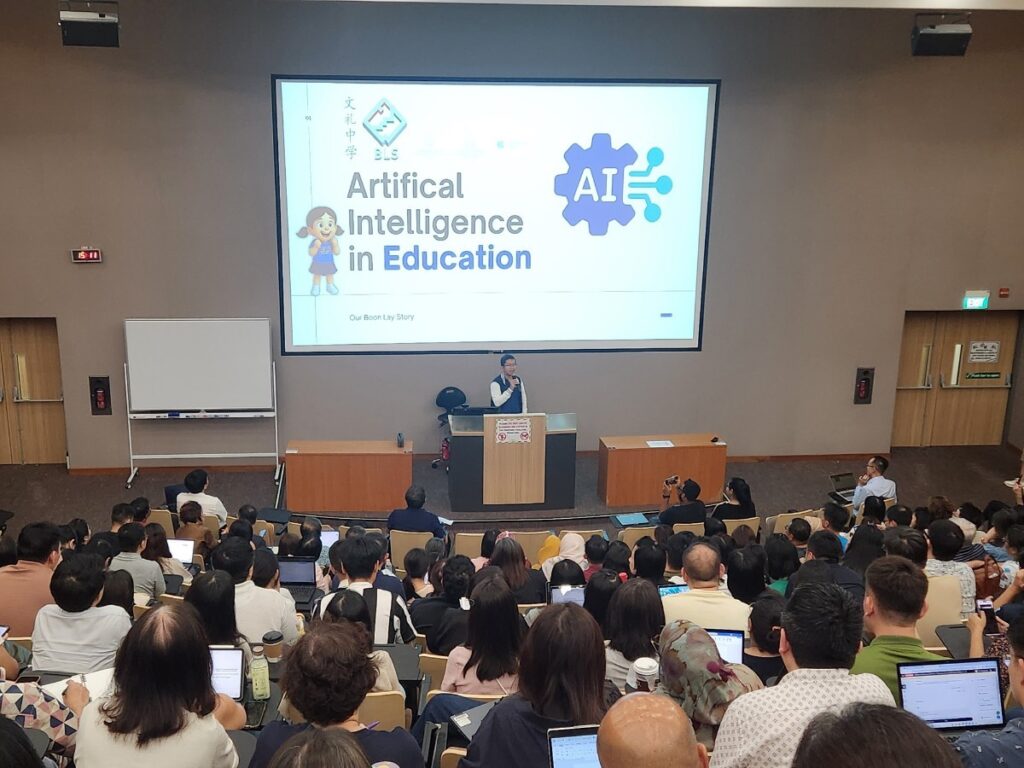
Purpose-Driven Integration: Mr. Wong Han Xian (Josh), HOD at Cantonment Primary School, opened the dialogue with a compelling session on starting with educational purpose rather than the tools themselves.
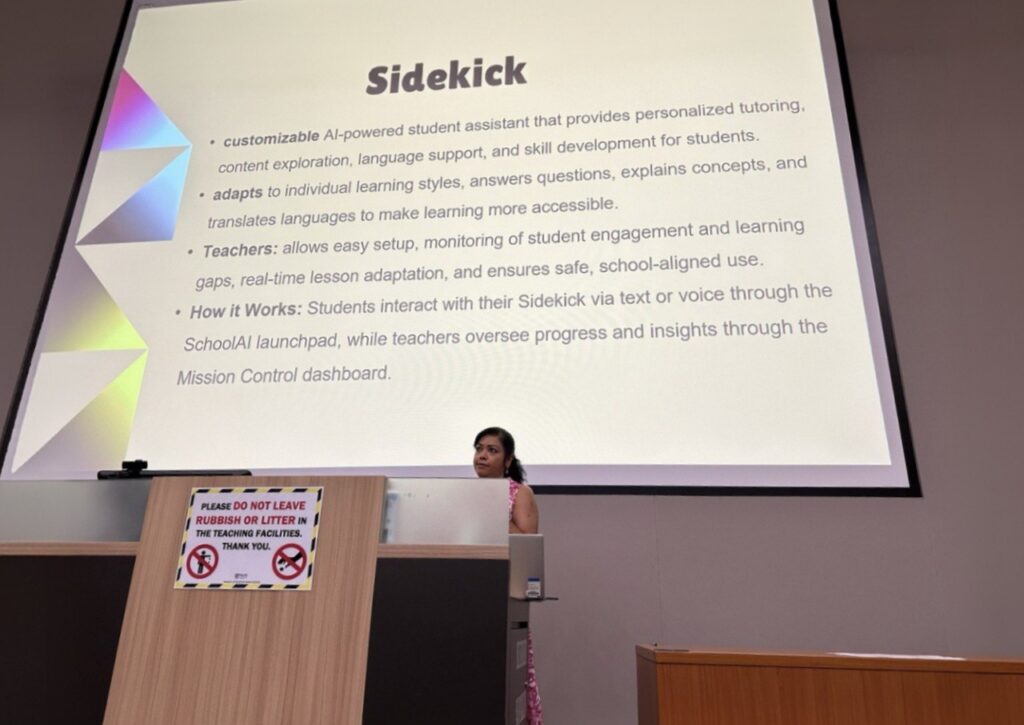
Enlivening the Classroom: Ms. Kalaivani Paneer Selvam from Kent Ridge Secondary School shared her journey of using AI as a creative partner in Nutrition and Food Science (FCE), making complex concepts tangible for her students.
Community and Connection: Mr. Kwek Joon Hong, HOD at Boon Lay Secondary School, showcased “AI in BLS,” illustrating how AI can bridge gaps not just in learning, but in parent engagement and school-wide communication.
Precision Tools and Pedagogical Frameworks
As the second session progressed, the focus shifted toward sophisticated tools and the cognitive science behind AI-assisted learning.
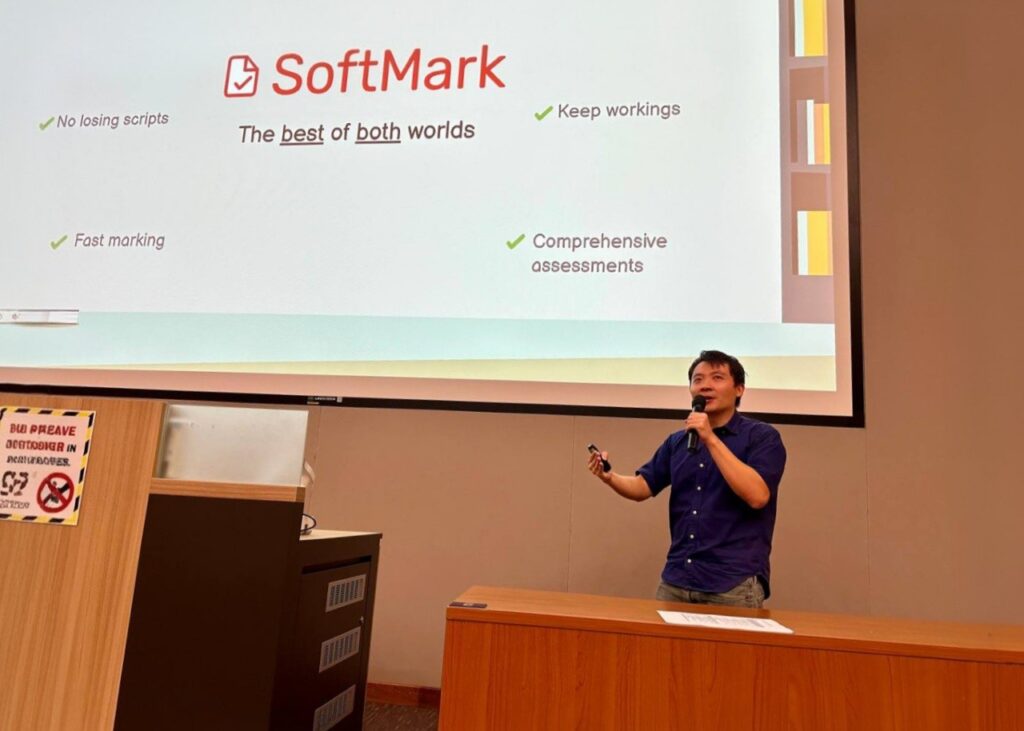
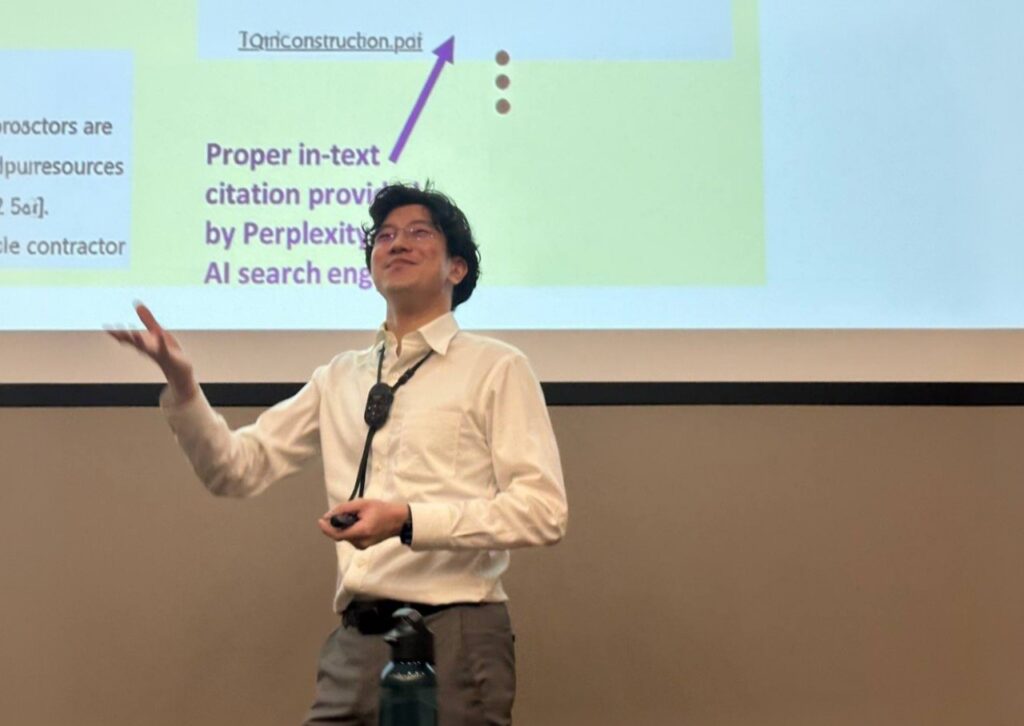
Innovating for Efficiency: AICET Software Engineer Mr. Ooi Ming Sheng demonstrated the latest evolution of digital grading in Softmark, showing how technical precision can drastically reduce the administrative burden on teachers.
Critical Reflection: Dr. Alexander Lin from the National University of Singapore (NUS) introduced the GuIDES model, a framework designed to ensure students move beyond surface-level AI use toward deep, self-directed reflection.
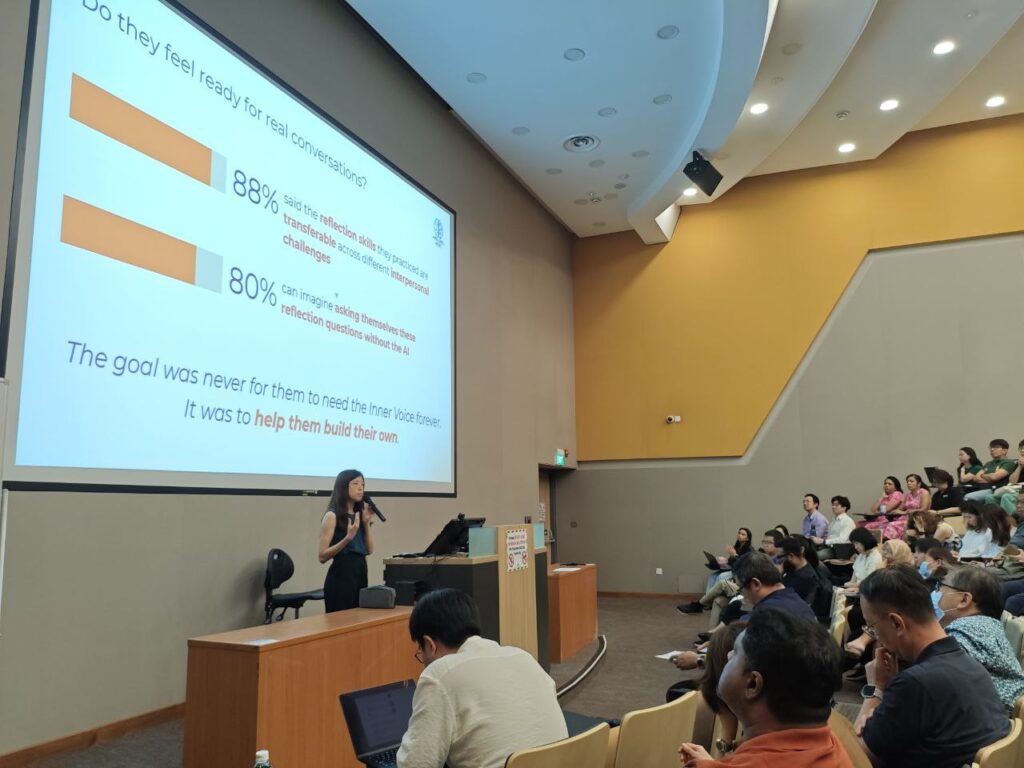
The Power of Meta-cognition: AICET EdTech Specialist Ms. Karina Yuen captivated the audience with the “AI Pause Button” concept, an innovative approach to interpersonal simulations that forces students to stop and think critically about their social interactions.
Vision for the Future
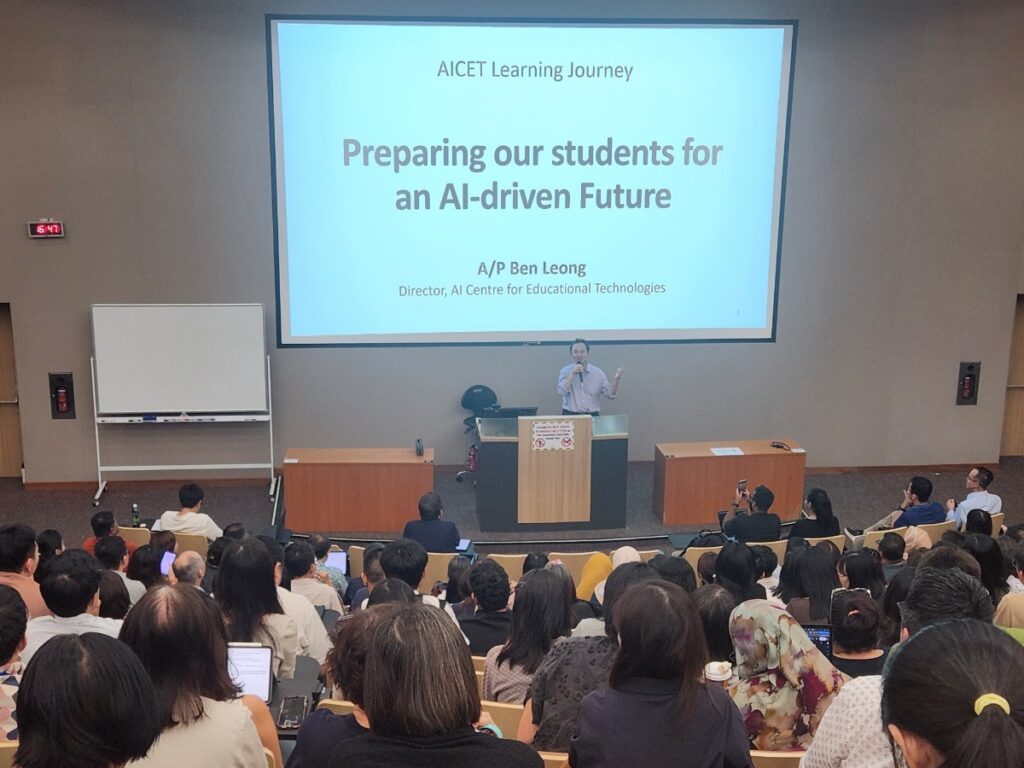
The event concluded with a closing sharing by Prof. Ben Leong, who spoke on “Preparing our Students for an AI-driven Future.” He emphasized that while the technology will continue to evolve, the “Pedagogy First” mindset remains our most reliable compass. He shared that our goal is not to be replaced by AI, but to be empowered by it to reach heights we couldn’t achieve alone.
The 2026 Learning Journey highlights that the future of Singapore’s education lies in collaboration. By sharing the raw challenges and hard-won successes of these seven speakers, the event empowered every participant to return to their schools with the confidence to teach in a world permeating with AI, ensuring that the human element of education remains at the forefront.
Leave a Reply