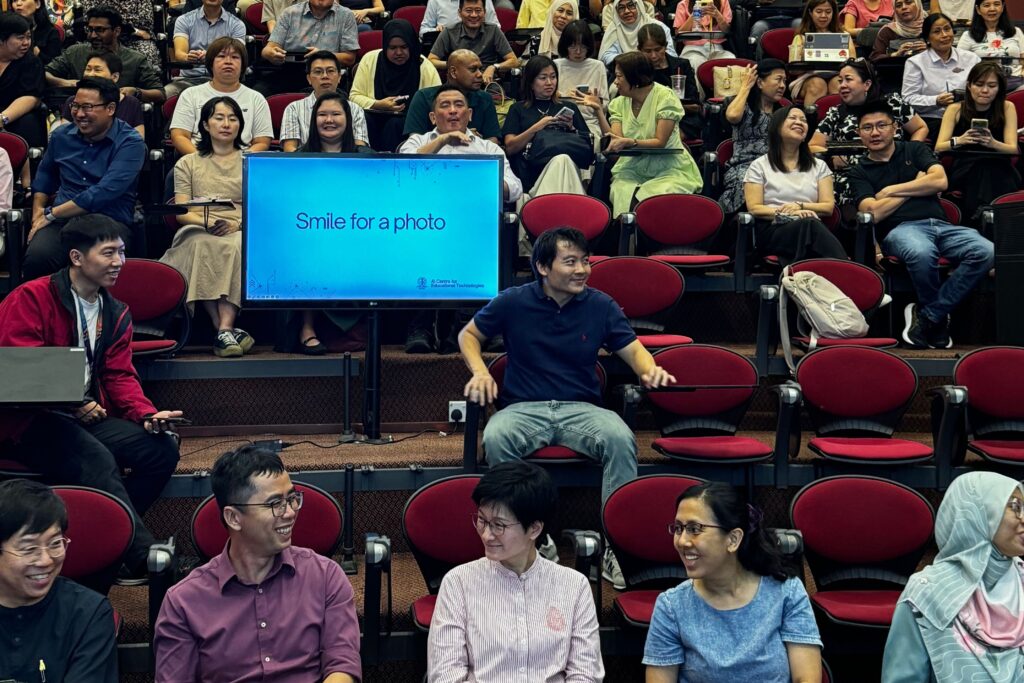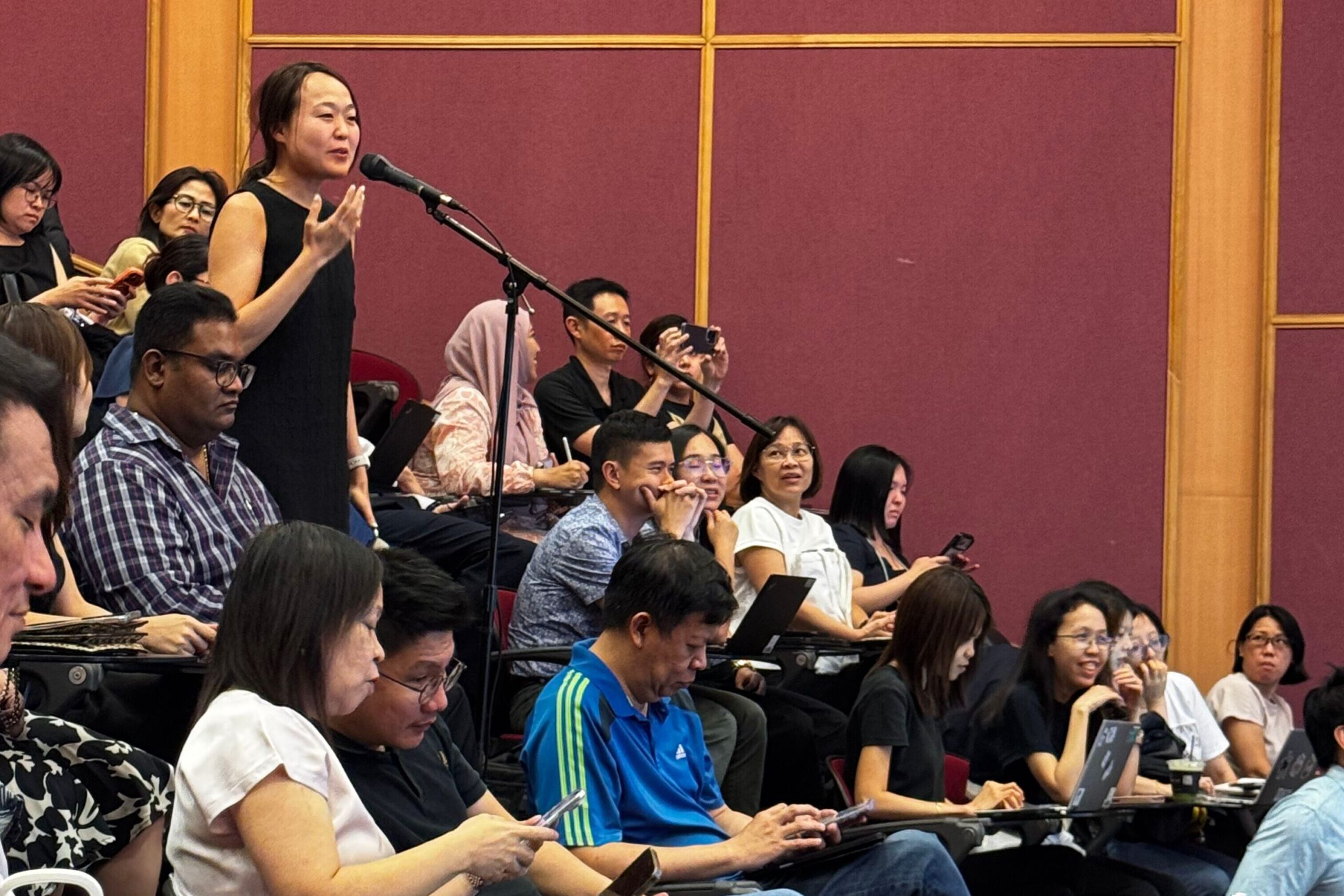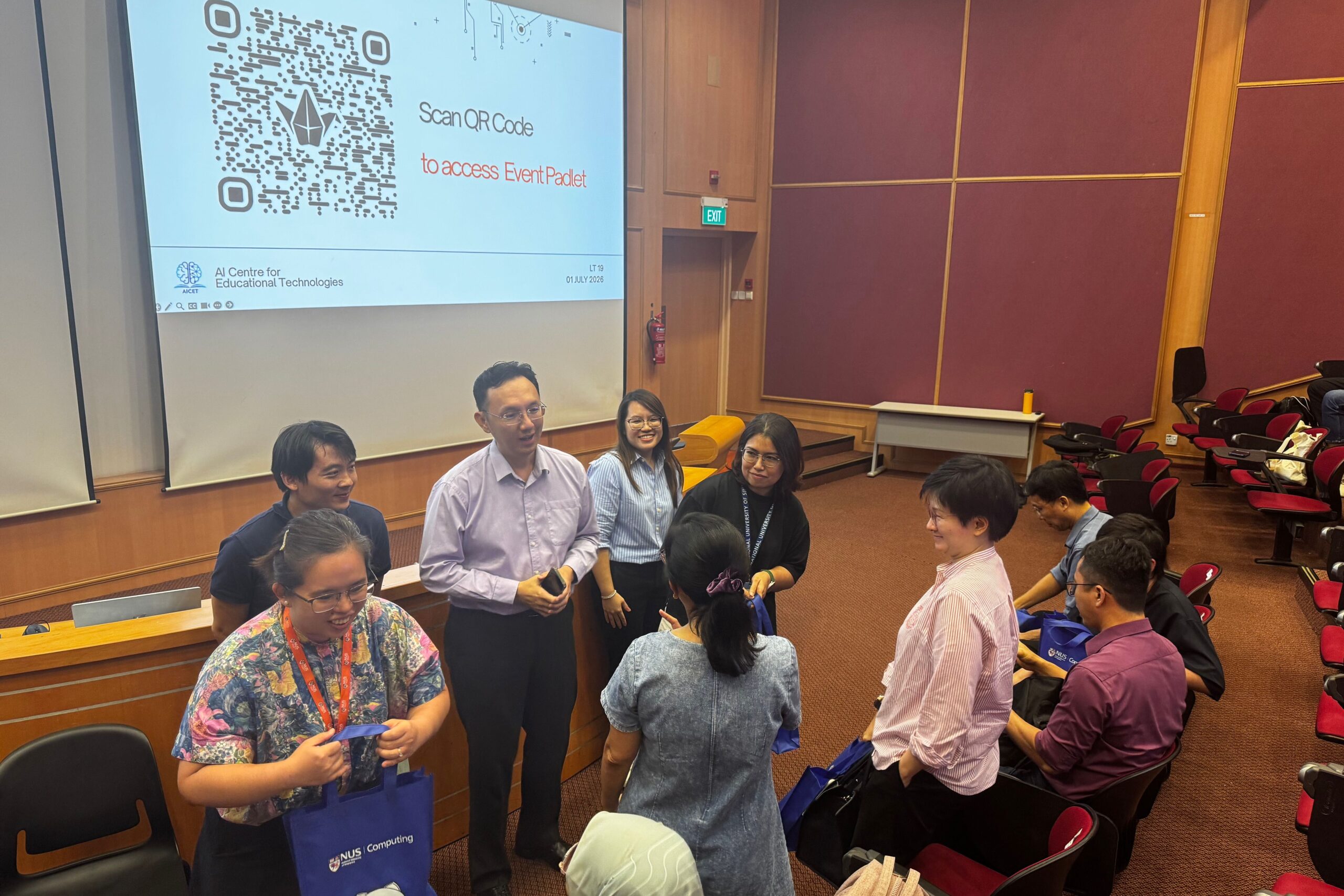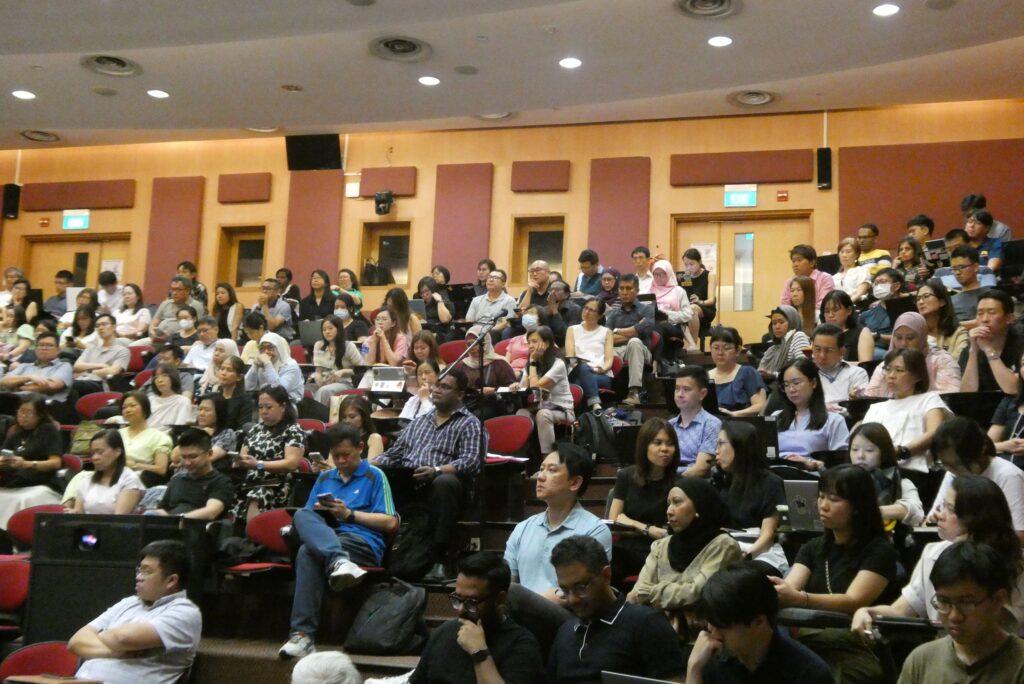
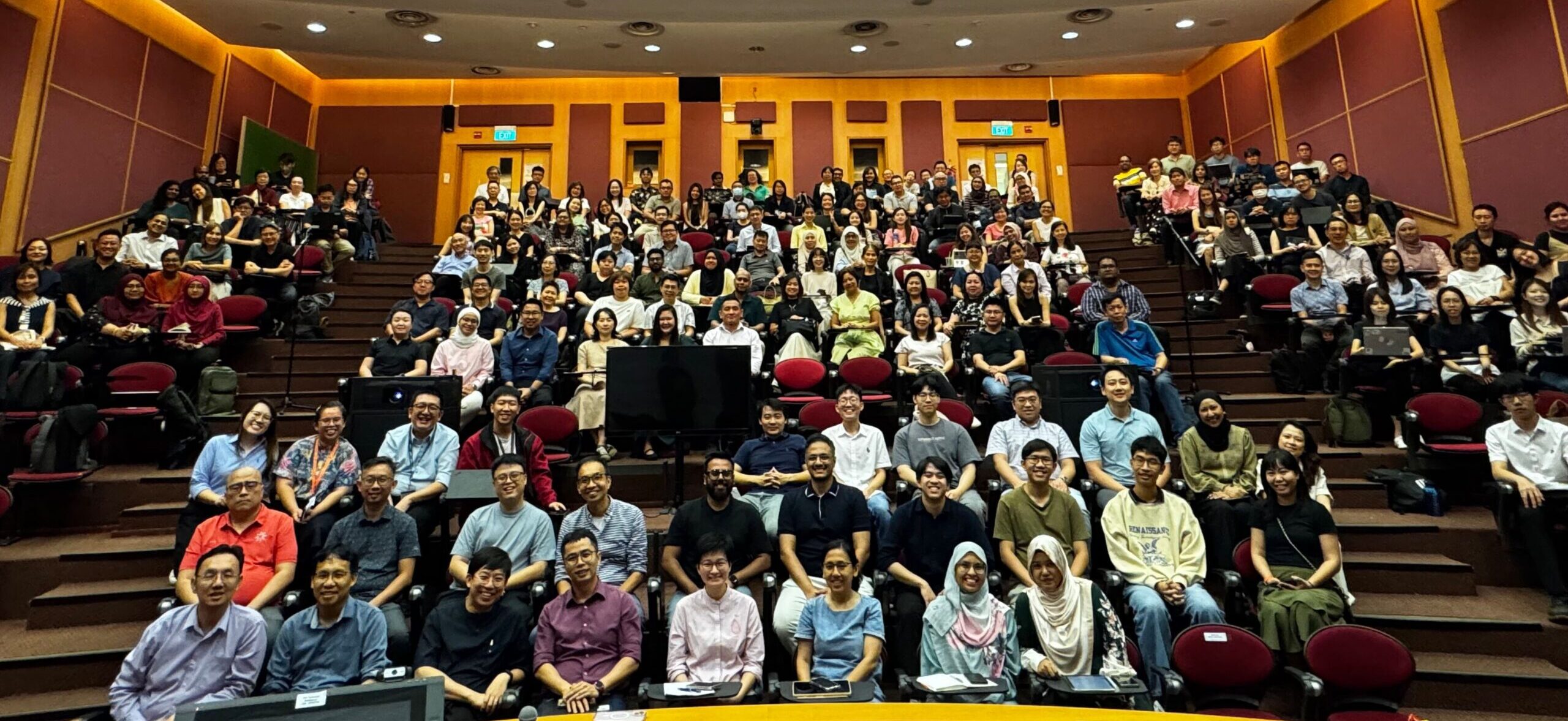
On 1 July 2026, AICET welcomed educators from schools and institutes of higher learning for another Learning Journey, bringing together practitioners who are actively designing and implementing AI to solve authentic teaching and learning challenges. This year’s theme, “Educators as Designers: Creating AI-Powered Learning Experiences”, reflected a growing shift in education. Rather than asking “What can AI do?”, every speaker challenged participants to begin with a different question:
“What learning problem are we trying to solve?”
Across the afternoon, presenters demonstrated how AI can strengthen creativity, personalise learning, provide richer feedback, and create learning experiences that were previously difficult — or impossible — to achieve in classrooms.
Pedagogy, not technology first
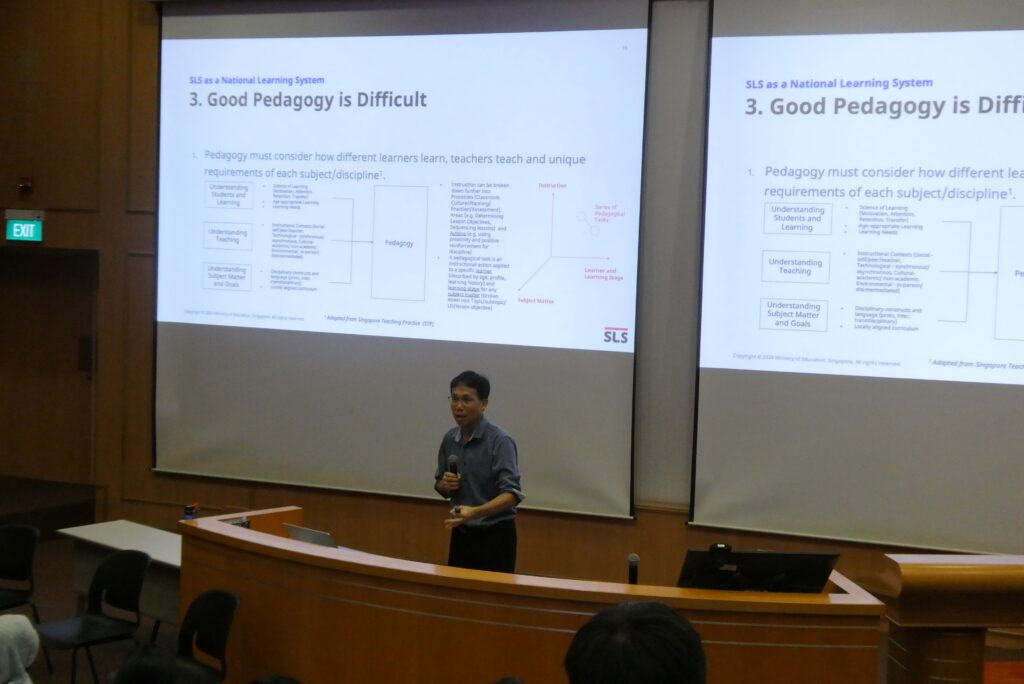
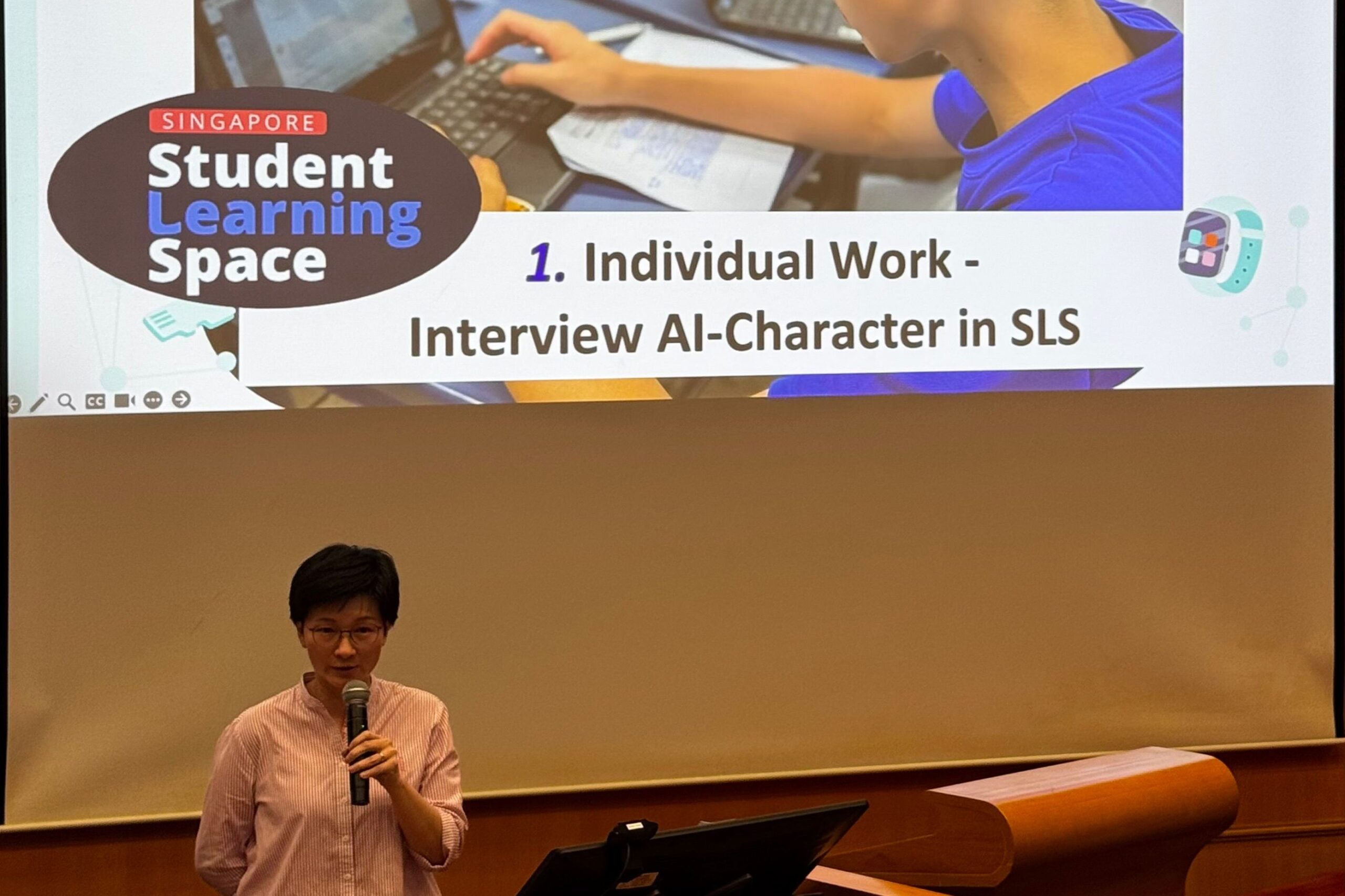
Opening the Learning Journey, Chia Hai Siang from the Ministry of Education invited educators to think beyond individual AI tools and consider how Singapore’s national learning ecosystem is evolving. A key message resonated strongly throughout the session:
“The problems to solve are teaching and learning problems, and not always in line with what users want.”
He introduced the idea of a pedagogical layer—the deliberate design decisions that introduce appropriate challenge, feedback and scaffolding so students engage in productive struggle instead of simply receiving answers. Rather than maximising convenience, good educational technology sometimes needs to make learning appropriately difficult because meaningful learning rarely comes from the easiest path.
For educators, the message was clear: AI should amplify good teaching, not replace it.
Creativity still belongs to people
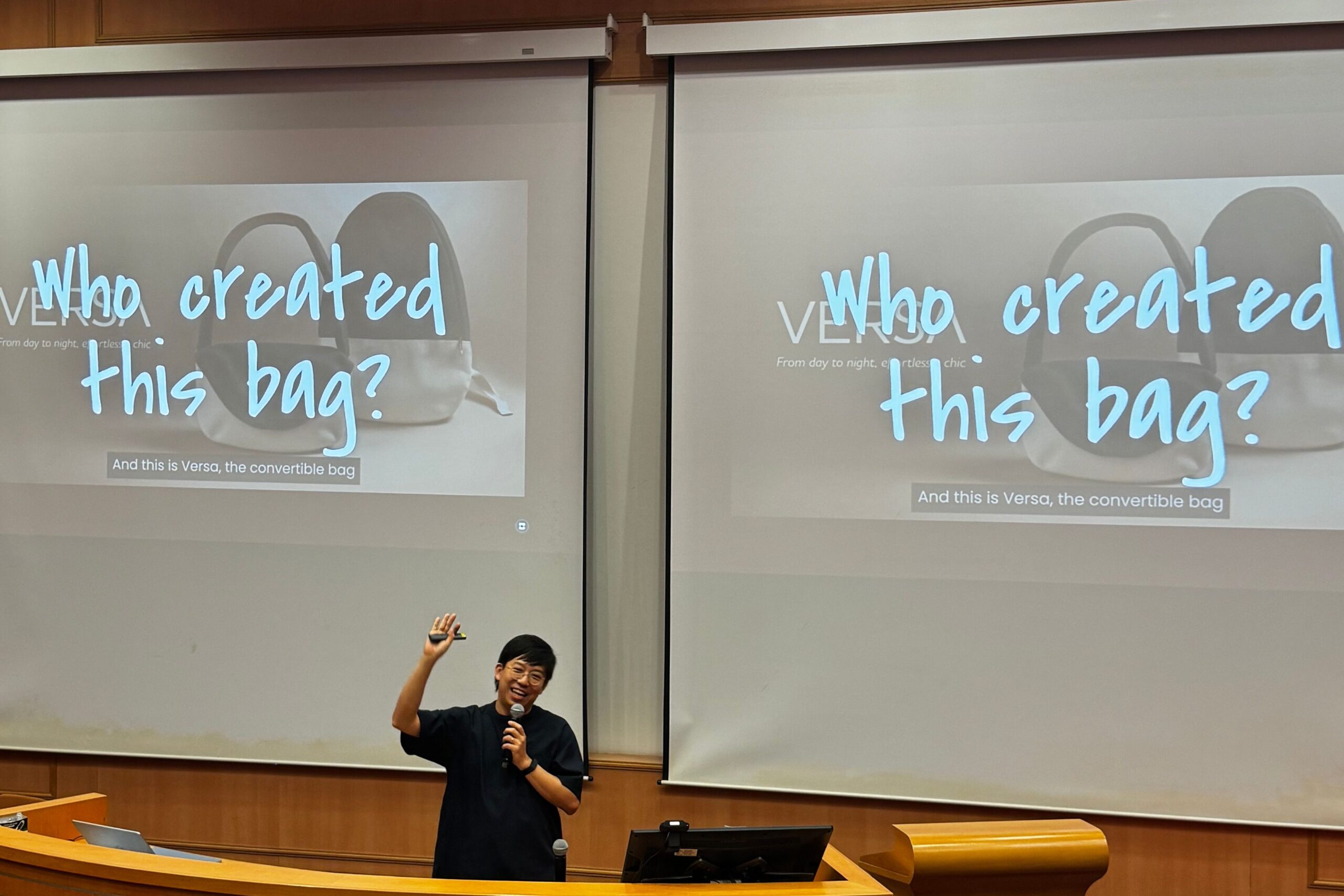
Associate Professor Donn Koh from the National University of Singapore explored how AI is reshaping creativity while reinforcing the uniquely human role of educators and learners. Although AI is increasingly capable of generating ideas rapidly, he argued that humans remain indispensable because we judge meaningfulness, not just possibility. AI can generate thousands of options, but people determine which ideas matter. Using his Direct–Generate–Select framework, Donn demonstrated how educators can teach students to:
- Direct AI towards exploratory questions,
- Generate many possibilities quickly,
- Select ideas that are meaningful to people.
Instead of using AI to obtain the “correct answer” faster, he encouraged educators to help students ask better questions and explore unconventional possibilities before exercising human judgment.
“Ask uncommon, exploratory questions. Go through a lot of ‘wrong’ possibilities faster. Spot a different answer that is meaningful to humanity.”
Building new learning experiences
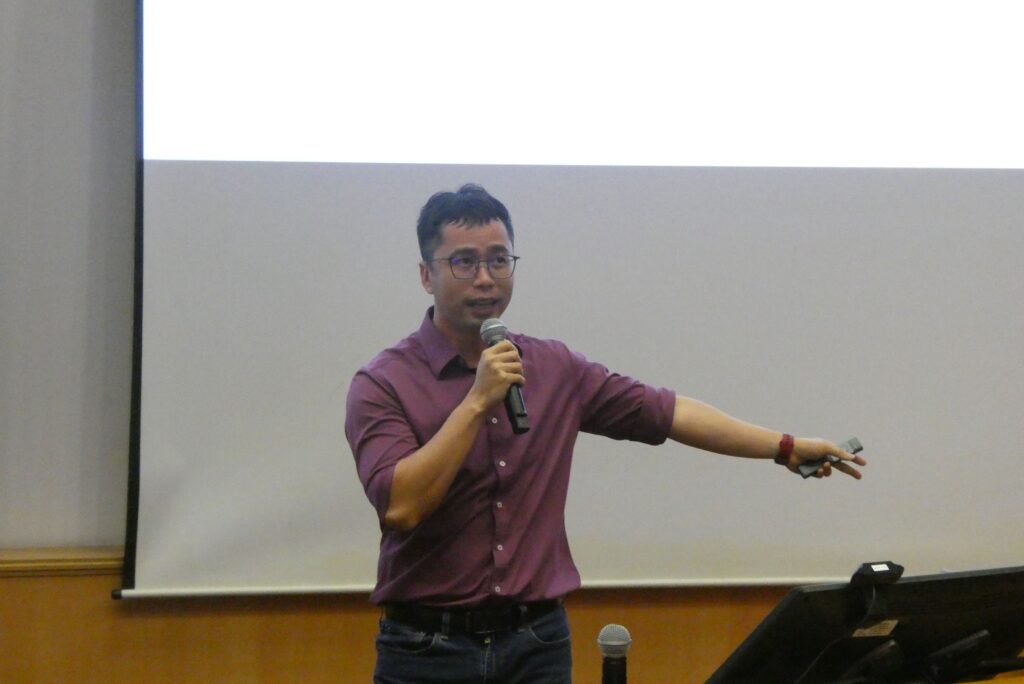
Tan Xiang Yeow from Eunoia Junior College showed how large language models have lowered the barrier for teachers to build interactive simulations, games and visualisations tailored to their own classrooms. Rather than relying solely on existing digital resources, teachers can now create experiences customised to their learning objectives, particularly when suitable resources are unavailable or existing tools no longer meet classroom needs. He shared a practical workflow for educators:
- Create around a clear learning objective,
- Progressively enrich the experience through visuals, sound and interaction,
- Connect it back into classroom teaching through platforms such as SLS.
The presentation reminded participants that AI allows educators to spend more effort designing meaningful learning experiences rather than overcoming technical barriers.
Giving every student a speaking partner
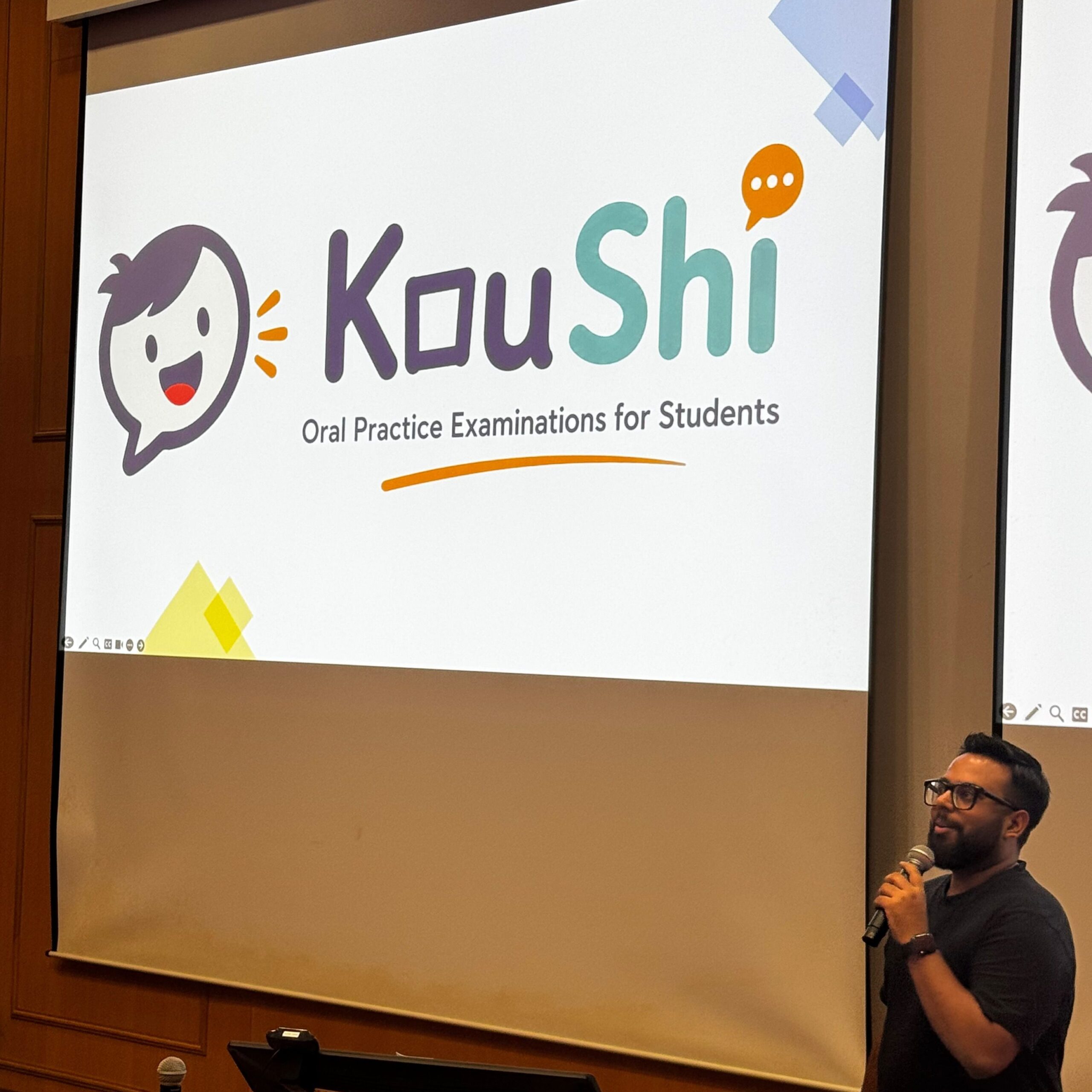
AICET also introduced KouShi, an AI-powered Chinese and English oral practice platform designed around a challenge familiar to every language teacher: every student needs speaking practice, but teacher time is finite.
Rather than replacing oral teachers, KouShi provides every student with unlimited opportunities to practise authentic conversations while allowing teachers to monitor progress, identify struggling learners early, and review detailed performance reports. Importantly, the platform was designed around classroom realities.
Teachers remain in control of practice materials, assessment rubrics and student progress, while AI handles repetitive one-to-one speaking practice that would otherwise be difficult to provide at scale.
AI as an experience, not a shortcut
Wong Xiu Yan from Maris Stella High School shared how SaLiS supports Social Studies by creating immersive learning experiences that deepen students’ competencies in the 21st Century Competencies (21CC) framework. Rather than using AI to answer questions for students, the design encourages learners to experience situations, consider multiple perspectives and reflect on their decisions—demonstrating how AI can facilitate deeper thinking instead of bypassing it.
Scaling innovation across a school
Educators from Boon Lay Secondary School showcased how ScholAIstic has supported multiple initiatives across the school, including Mother Tongue learning, differentiated instruction, transcript analytics and creative classroom experiences such as AI-powered educational escape rooms. Their sharing illustrated that successful AI adoption is rarely about one impressive chatbot. Instead, sustainable implementation comes from multiple small, purposeful applications that solve authentic classroom problems while supporting teachers in understanding student learning more deeply.
Supporting teachers through better assessment
The final presentation by Diana Ma from Eunoia Junior College traced Softmark’s journey from pilot implementation to wider adoption. Her experience demonstrated that AI-powered assessment succeeds not because it replaces professional judgment, but because it reduces routine administrative work, enabling teachers to devote more time to meaningful feedback, moderation and student support.
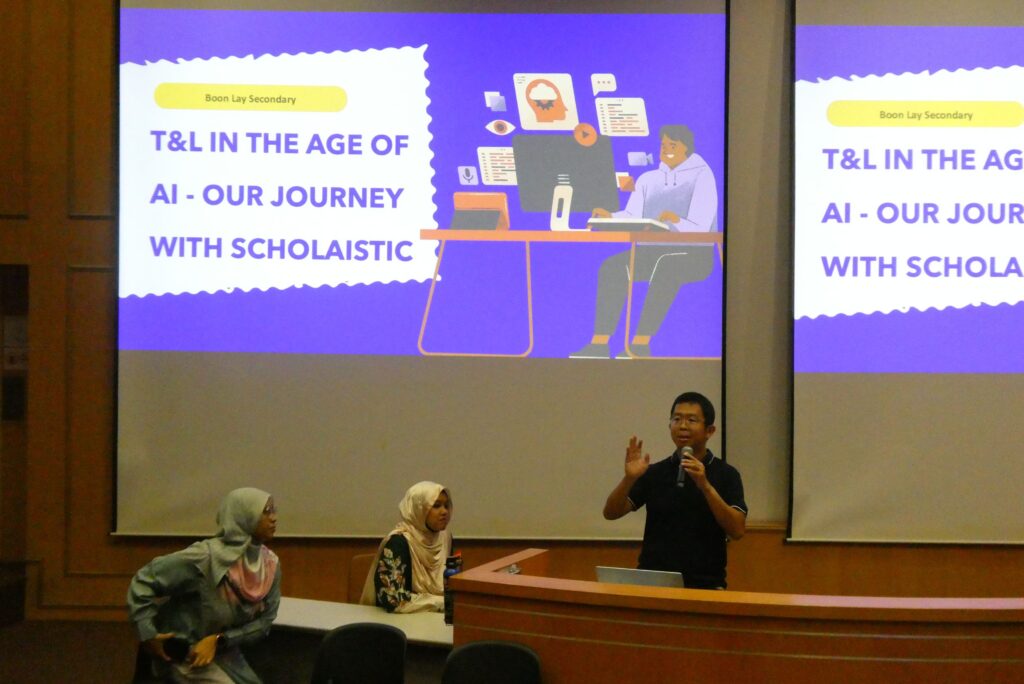
Boon Lay Secondary School
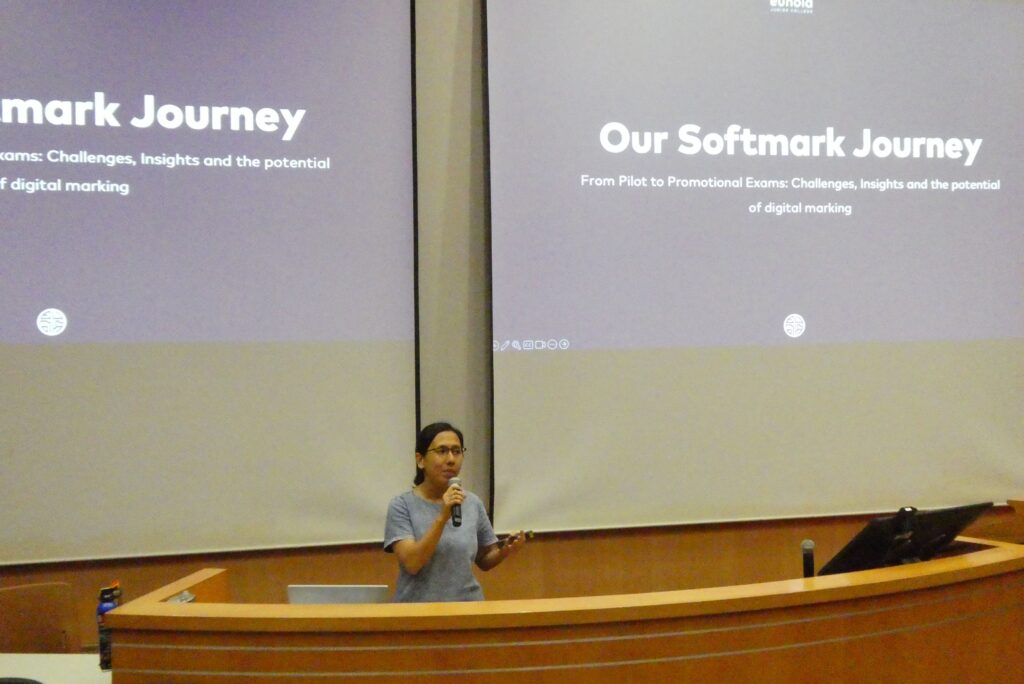
Designing the future of education together
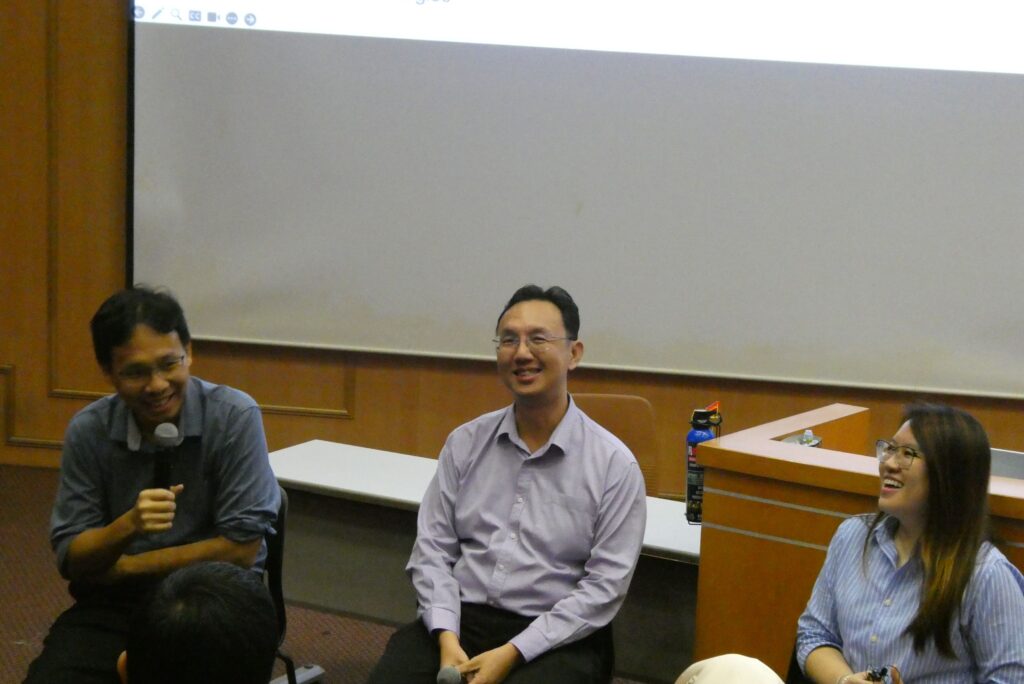
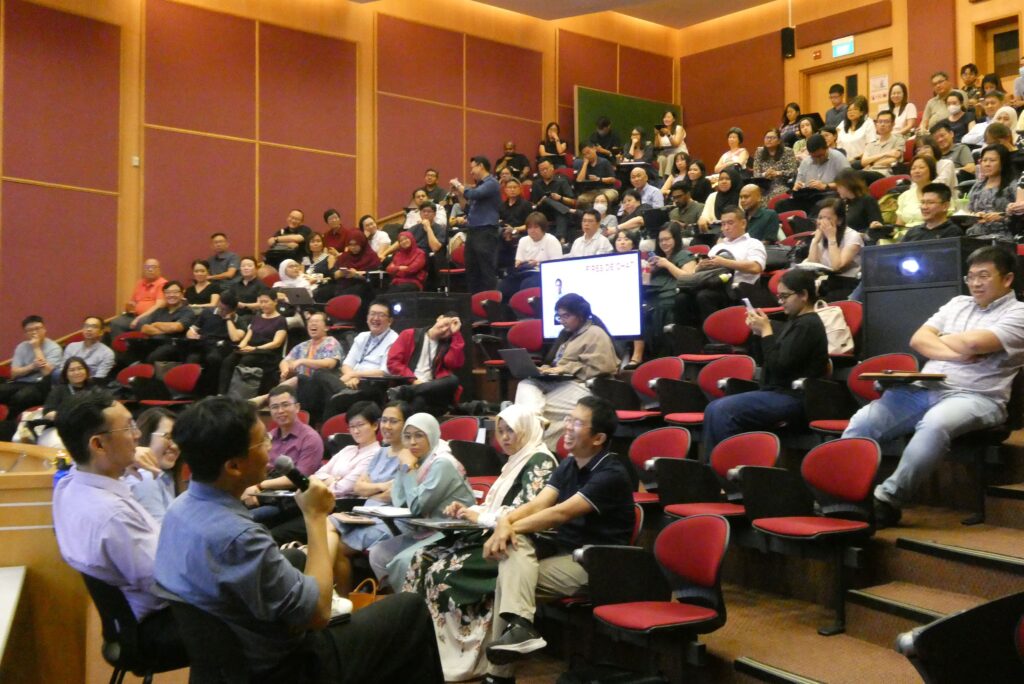
The Learning Journey concluded with a fireside conversation reflecting on how educators should navigate rapidly advancing AI technologies. Across every presentation, one message consistently emerged: Technology alone does not improve learning. Thoughtful pedagogical design does. Whether through creative thinking, interactive simulations, oral practice, inquiry learning or assessment, the presenters demonstrated that AI is most powerful when educators remain firmly in the role of learning designers—carefully deciding when students need support, when they need challenge, and when productive struggle matters more than immediate answers.
For the educators who joined the Learning Journey, the takeaway was both practical and reassuring: meaningful AI integration does not begin with mastering the latest tool. It begins by understanding learners, identifying authentic classroom challenges, and designing learning experiences that technology can meaningfully enhance.