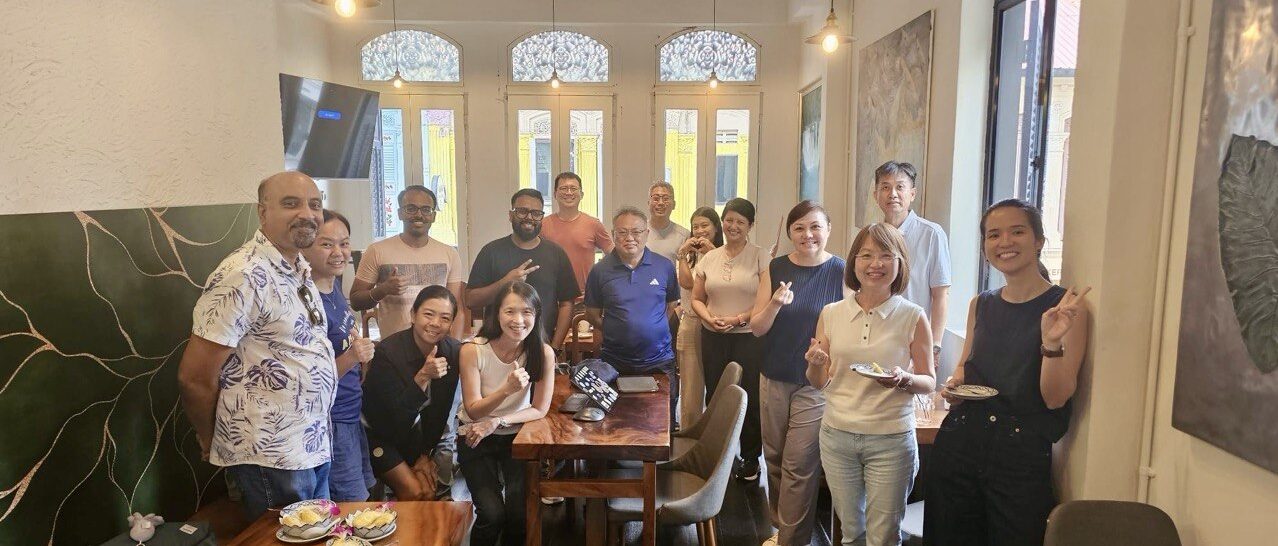
On 30 September 2026, AICET conducted a hands-on workshop for Ministry of Education (MOE) principals from the West Zone on the use of AI in software development. The session took participants from the basics of “vibe coding” through to the wider discipline of AI-assisted software engineering, giving them a first-hand sense of what these tools make possible and where their limits lie. The programme also included a dedicated segment introducing KouShi, one of AICET’s newest platforms.
From Vibe Coding to AI-Assisted Software Engineering
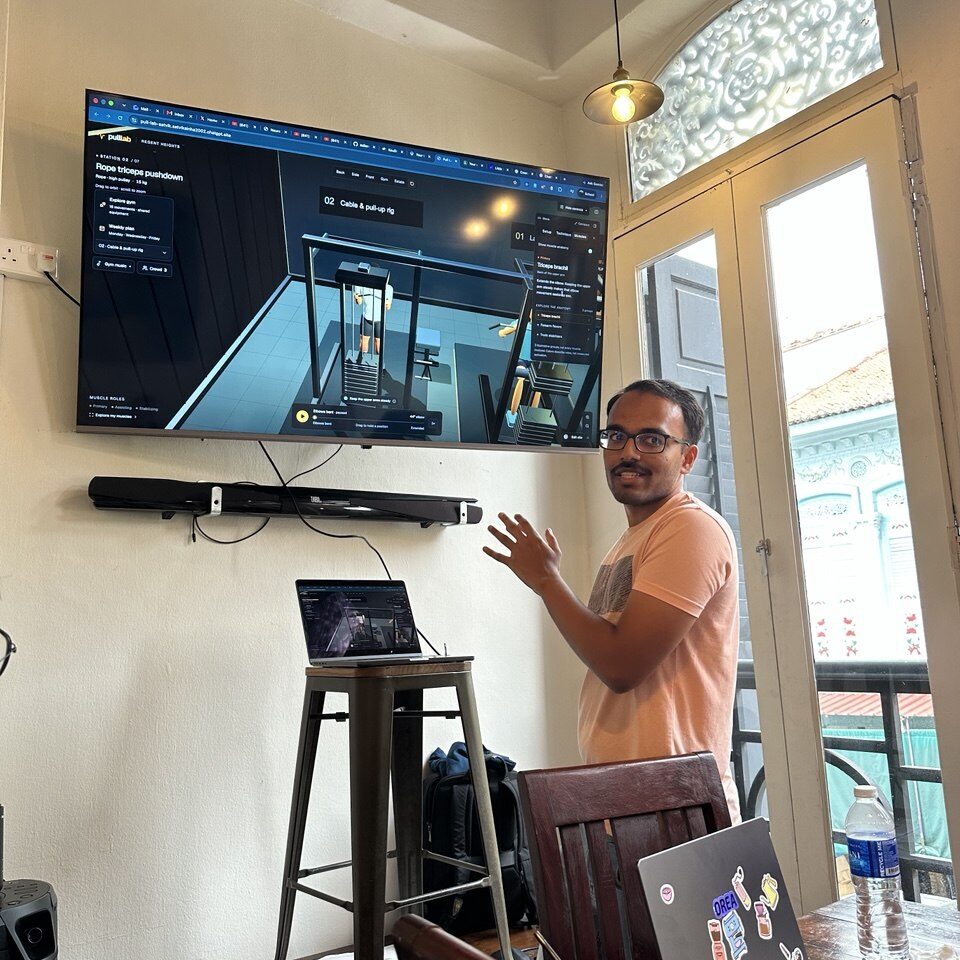
The workshop opened with an overview of how AI is changing the way software is built. Participants were introduced to vibe coding, an approach in which users describe what they want in plain language and let an AI tool generate the working code. AICET’s Shubham Sahai, Satvik Sinha, and Markus Yeo demonstrated how this allows an idea to be turned into a working prototype in a matter of minutes, without prior programming experience. This lowers the barrier for educators who have ideas for tools in their schools but lack the technical background to build them.
Building in Real Time
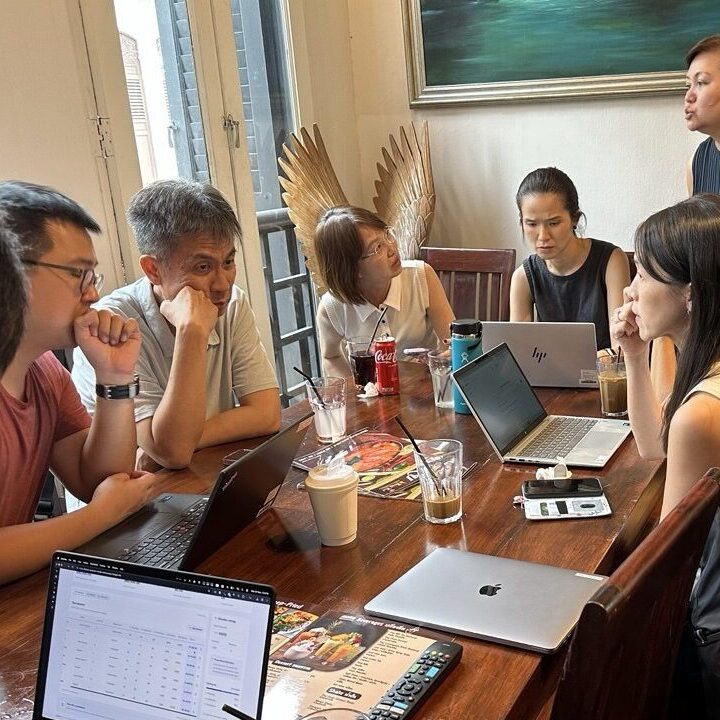
The principals then put these ideas into practice. Working in groups of two to three, they used AI tools to build prototypes of their own, starting from ideas drawn from their experience leading schools. The session closed with each group demonstrating what it had built. The range of prototypes showed how quickly an idea can take shape when the technical barrier to a first version is removed.
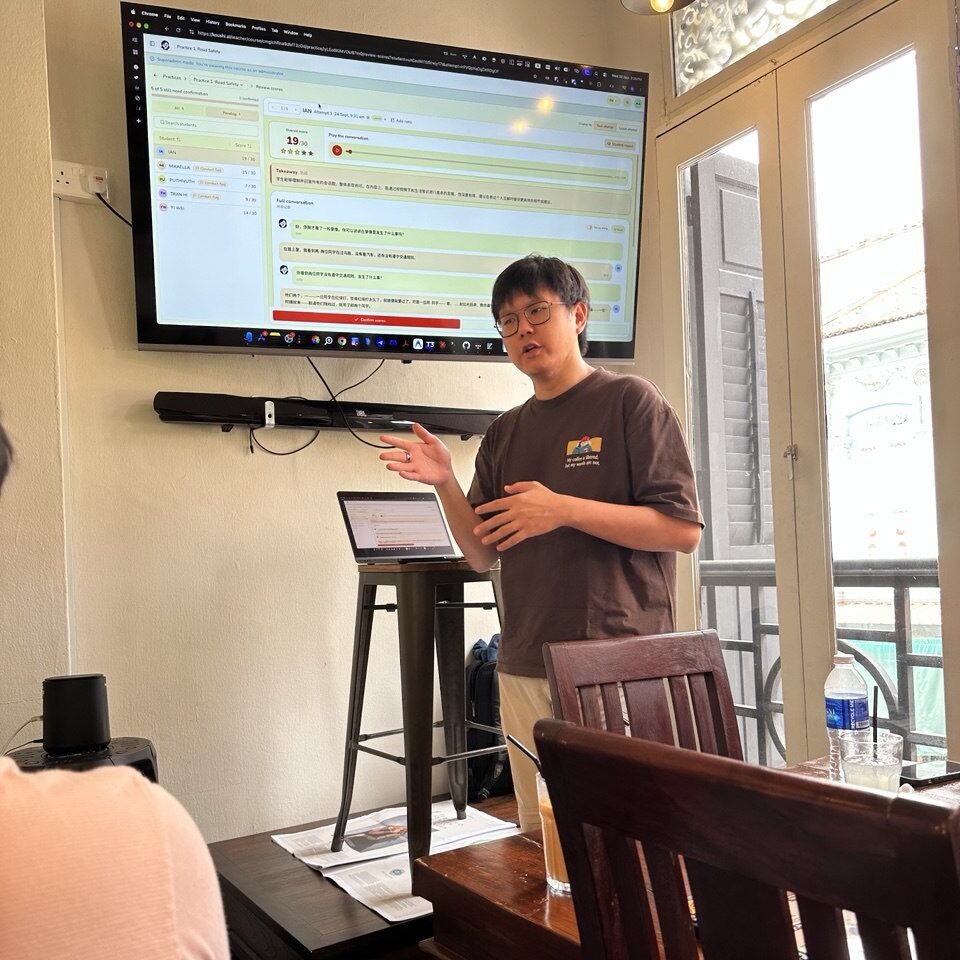
From the AICET Lab: KouShi
In a separate segment of the workshop, the team introduced principals to KouShi, AICET’s AI-powered Chinese oral practice platform for primary school students. Co-developed with Chinese language teachers, KouShi gives students exam-realistic speaking practice ahead of their PSLE Chinese Oral Examinations. Principals were shown how the platform works and how it can support schools in giving every student more opportunities to practise speaking.
From Prototype to Product
Having seen what vibe coding can do, participants turned to what it cannot. The team stressed that a prototype is not a product, and outlined the common pitfalls of treating one as the other. The discussion covered what is needed to take a prototype to a usable product, including sound engineering, testing, maintenance, and attention to security and data protection. This is especially important for tools that handle student or school data.
The workshop left principals with a practical understanding of AI-assisted software engineering: a fast way to test and communicate ideas, best paired with the engineering discipline needed to make those ideas reliable and safe.